


U.S. equities experienced a notable rally on August 13, 2025, as the S&P 500 and Nasdaq reached fresh closing highs amid growing expectations that the Federal Reserve will soon lower interest rates. The overall market sentiment turned positive, but major tech stocks like Nvidia, Alphabet, and Microsoft showed signs of weakness, diverging from the broader market trend. This shift in investor sentiment underscores a growing sense of caution within the tech sector, even as healthcare and other sectors performed well.
Wall Street Surge on Rate Cut Optimism
The rally in U.S. equities was largely driven by investor anticipation that the Federal Reserve might soon ease its monetary policy. The Dow Jones Industrial Average rose 1.04%, closing at its highest level in weeks, while the S&P 500 gained 0.32%, and the Nasdaq increased by 0.14%. Despite the modest gains on the Nasdaq, the overall mood in the market was one of cautious optimism.
Treasury Secretary Scott Bessent commented that a 50 basis-point rate cut could be on the horizon as inflation pressures continue to ease. Futures markets have priced in a 98% probability of a 25 basis-point reduction at the Fed’s September meeting. These expectations have led investors to reposition their portfolios, seeking growth opportunities in sectors that typically benefit from a lower interest rate environment.
Tech Stocks Face Divergence
While the broader market rallied, technology stocks, which had been the driving force behind recent market gains, showed a noticeable divergence. Nvidia, Alphabet, and Microsoft, all of which had posted impressive earnings growth in previous quarters, saw slight declines. Investors seemed to rotate out of tech-heavy stocks, taking profits after their substantial runs in 2025.
This divergence raises questions about the sustainability of tech sector valuations, which had been bolstered by investor enthusiasm over artificial intelligence and cloud computing. Some analysts are suggesting that these stocks may have reached their near-term peak and could be vulnerable to corrections if broader economic data disappoints or if the Fed’s actions prove less accommodative than expected.
Despite this, several high-growth tech stocks continued to show resilience. The healthcare sector, for instance, benefitted from a 1.6% increase, driven by companies poised to capitalize on demographic trends and increasing healthcare demand. This rotation into other sectors highlights how investors are positioning themselves for a changing market environment in the wake of potential interest rate adjustments.
The Federal Reserve’s Role in Wall Street’s Rally
The Federal Reserve has been a central player in shaping market expectations throughout 2025. After a prolonged period of tight monetary policy, signs of cooling inflation and resilient economic data have fueled speculation that the Fed may soon reduce rates to stimulate growth. The anticipated move would mark a significant shift in policy, as markets have largely priced in rate hikes and stabilization over the last few years.
In response to growing concerns about inflationary pressures and global economic slowdown, Fed officials have signaled that they may adjust the benchmark interest rate. However, there is a divide within the central bank on how aggressive such a move should be. Some Fed members, such as Kansas City Fed President Jeffrey Schmid, have suggested the rate cuts might be gradual, whereas others, like Treasury Secretary Scott Bessent, have indicated that a more substantial 50 basis-point reduction could be appropriate.
Investors are closely watching these developments as they could have broad implications for Wall Street. If the Fed cuts rates, the market could see another leg of bullish momentum, especially in sectors sensitive to borrowing costs. However, if the Fed remains cautious or makes smaller-than-expected cuts, the rally could falter, and volatility may return to the markets.
The Outlook for Market Trends
Looking ahead, the potential rate cut could trigger further bullish sentiment in markets, but the divergence within specific sectors—especially technology—remains a point of concern. Tech stocks, once the market’s engine, are now facing the reality of high valuations and the challenges posed by a potential economic slowdown. Meanwhile, other sectors, like healthcare and consumer staples, appear more insulated from market volatility, and investors may increasingly look to these areas for relative safety.
Market participants will also be paying close attention to the next round of economic data, including the jobs report and consumer sentiment indices. These indicators will provide further clues as to whether the Fed’s dovish stance is warranted or whether tightening financial conditions may remain in play longer than expected. With the U.S. economy still holding up better than many expected, Wall Street may continue to experience pockets of growth in certain sectors, but caution will be key as investors assess how the rate cut expectations play out.
A Market in Transition
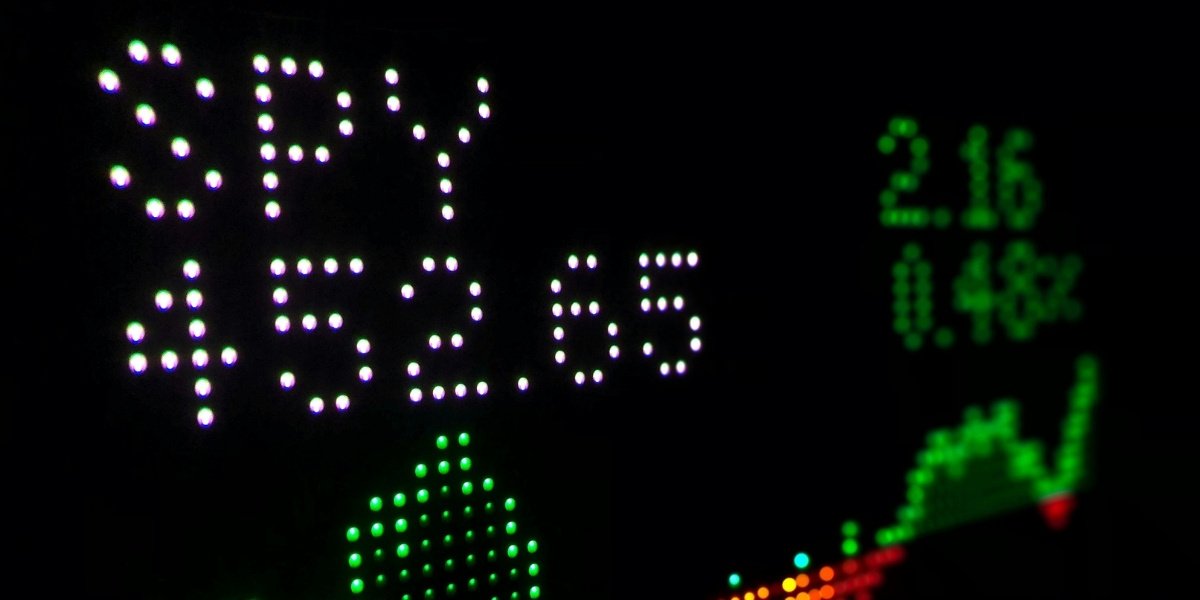
Photo Credit: Unsplash.com
In summary, August 13, 2025, marked a day of optimism on Wall Street, driven by expectations of a rate cut by the Federal Reserve. However, the divergence within the tech sector, as major stocks like Nvidia and Alphabet faced slight declines, suggests that investors are growing more cautious. As the Fed navigates its next steps, the broader market will likely remain in flux, with investors eyeing the healthcare, financial, and consumer sectors for opportunities.
As Wall Street continues to adjust to these changing expectations, savvy investors will remain agile, ready to capitalize on shifts in the economic landscape. Whether the market will continue to rally or face headwinds depends on the Federal Reserve’s actions in the coming months, but one thing is clear: the financial markets are in the midst of a key transitional period.