


By: William Jones
In the world of aesthetic medicine, few figures are reshaping the conversation around transformation like Dr. Jonathan Kanevsky, a Beverly Hills–based plastic surgeon known for blending science, art, and psychology in his approach to care. Trained at McGill University and fluent in four languages, he’s recognized internationally not only for his technical expertise in fat transfer surgery but also for the philosophical depth he brings to his practice.
At the center of Dr. Kanevsky’s work is a simple but radical premise: surgery isn’t just a physical act — it’s an emotional and psychological experience that can mark profound life transitions. His concept, which he calls “Surgery as Ceremony,” invites patients to engage with transformation in a way that honors both body and mind.
Early in his career, Dr. Kanevsky began to question whether the traditional tools of enhancement truly aligned with the deeper needs of his patients. “Surgery wasn’t just a technical act,” he reflects. “It reverberated emotionally, physically, and psychologically long after the operation. Many women wanted results that felt aligned with their bodies rather than added onto them.”
This realization led him to focus on autologous fat transfer, a technique that uses the patient’s own tissue rather than synthetic implants. For him, the change was philosophical as much as procedural — a move toward what he describes as restorative rather than additive, and integrative rather than mechanical. In his view, surgical decisions should always prioritize long-term well-being and self-trust over conformity to an aesthetic standard. Some studies suggest that autologous fat transfer can have advantages, particularly in certain cases, by reducing the risks associated with synthetic implants, although it may not be suitable for all patients.
Dr. Kanevsky also notes that growing awareness around Breast Implant Illness (BII) reflects something larger than medical concern — it represents a cultural awakening. “People are becoming more attuned to their bodies and more empowered to speak openly about their experiences,” he explains. “The rise in awareness around BII isn’t just about medicine; it’s part of a broader societal shift toward bodily autonomy and self-advocacy.”
Social media, he adds, has given visibility to experiences once dismissed or ignored, allowing women to find community and validation through shared stories. “It’s not just science driving this change — it’s storytelling,” he says. “And that’s profoundly human.” While Breast Implant Illness remains a subject of ongoing research and is not yet universally recognized as a distinct medical condition, the increasing awareness reflects a broader trend toward personal health advocacy.
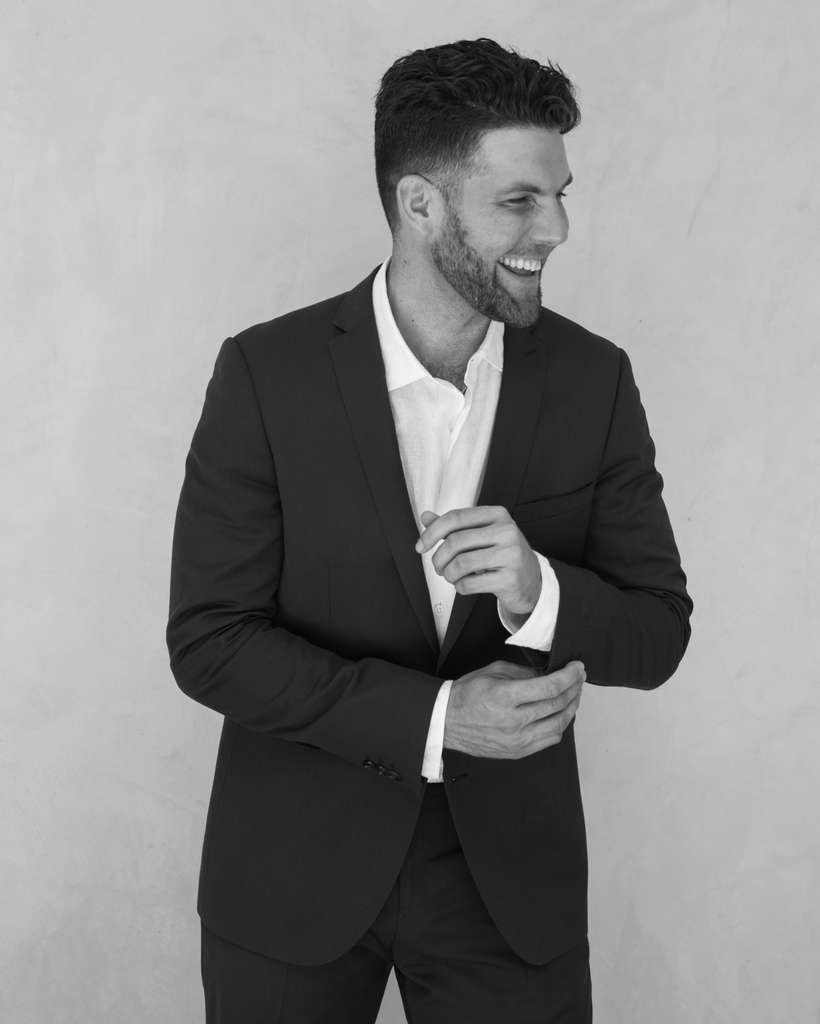
Photo Courtesy: Dr. Jonathan Kanevsky
According to Dr. Kanevsky, aesthetic enhancement is no longer about imitation or perfection. “Women today are moving away from enhancement for the sake of fitting in,” he observes. “The question is less ‘How do I conform?’ and more ‘How do I express who I already am?’”
Procedures like fat transfer, which rely on the patient’s own body, embody this evolving mindset. They symbolize reclamation rather than alteration — a way of returning to oneself rather than becoming someone new. “The trend,” he says, “is toward subtlety, authenticity, and empowerment. Enhancement should feel like coming home to yourself.”
The concept of Surgery as Ceremony emerged from years of witnessing how emotionally significant these moments can be. Whether recovering from illness, reclaiming the body after childbirth, or simply entering a new chapter of life, surgery often marks a rite of passage. “Ceremony is one of humanity’s oldest ways of honoring transformation,” Dr. Kanevsky explains. “When we reframe surgery as something a person participates in — rather than something that happens to them — it becomes grounding rather than anxiety-producing.”
In his practice, this philosophy takes the form of intention-setting sessions, reflective journaling, and quiet rituals designed to bring mindfulness to the experience. It’s not about spirituality or performance, he clarifies — it’s about presence. “Fear often arises when people feel out of control. Intention restores agency. Reflection creates meaning. Together, they turn surgery into an act of self-honoring.”
For Dr. Kanevsky, the ideal surgical outcomes emerge at the crossroads of precision and empathy. “Science gives us safety and structure. Art gives us proportion and harmony. Psychology ensures that what we create aligns with who the person truly is,” he says. His emphasis on slowing down and listening deeply to patients underlines a growing movement in aesthetic medicine toward conscious care — a model that values emotional insight as much as technical skill.
“Transformation doesn’t begin in the operating room,” he notes. “It begins in the conversation — in understanding what someone is really seeking, and why.”
Working with an international clientele, Dr. Kanevsky has seen how cultural narratives shape perceptions of beauty. “In some cultures, beauty is about softness and warmth; in others, it’s boldness or athleticism. What changes most isn’t the aesthetic itself, but the meaning behind it — what beauty represents about identity and belonging.”
For him, cultural understanding isn’t an accessory to surgery; it’s essential. “To create something meaningful, you have to honor the story behind the form.”
Asked about the growing preference for natural-looking results, Dr. Kanevsky sees it as part of a broader lifestyle evolution. “We’re living in a time when authenticity is currency,” he says. “People want to look true to themselves, not transformed into someone else.”
This desire, he believes, mirrors wider trends toward wellness, mindfulness, and longevity — values that extend far beyond aesthetics. “It’s about connection to the self, and alignment between inner and outer worlds.”
If there’s a single word that defines Dr. Kanevsky’s philosophy, it’s empathy. “Aesthetic surgery is deeply personal,” he says. “People often come to it during vulnerable times. When they feel genuinely heard, the process becomes collaborative — it supports both physical goals and emotional healing.”
In his view, the most successful transformations are the ones that honor not just how someone looks, but how they feel living in their own body.
Ultimately, Dr. Kanevsky’s message transcends surgery. It’s about self-growth. “Allow the decision to come from love rather than lack,” he advises. “If you’re choosing change to feel more aligned with who you’re becoming, that’s a powerful journey. Growth isn’t about becoming someone new — it’s about returning to yourself with more confidence, presence, and compassion.”
In a field often defined by surface, Dr. Kanevsky’s perspective offers something deeper — a reminder that beauty, at its best, is an act of alignment between body, mind, and spirit.
Disclaimer: The information provided in this article is for general informational purposes only and reflects the views of Dr. Jonathan Kanevsky based on his professional experience and expertise in the field of aesthetic medicine. The statements made are not intended as medical advice or endorsements of specific treatments. Individual results may vary, and any medical procedure carries inherent risks. Readers should consult with a qualified healthcare provider to discuss their specific medical needs, options, and potential risks before undergoing any surgical procedures. The article does not claim to diagnose, treat, or cure any medical conditions.