


The Federal Reserve has taken a proactive step in addressing signs of labor market weakness by reducing its key interest rate by 0.25%. This unexpected move has sent ripples through the stock market, drawing attention from investors who are closely monitoring any shifts in economic conditions. With inflationary pressures remaining persistent, the decision to ease monetary policy indicates that the central bank is trying to balance its dual mandate—promoting full employment while keeping inflation in check. Here’s how the rate cut could impact Wall Street, the broader economy, and investor strategies moving forward.
The Fed’s Rate Cut: A Response to Labor Market Concerns
The Fed’s decision to lower rates comes amid concerns that the U.S. labor market, while still strong, is showing signs of cooling. Job growth has slowed, and the unemployment rate, though low, has leveled off. The rate cut is a direct attempt to provide economic stimulus by making borrowing cheaper, which is expected to encourage investment and spending.
This cut by the Fed, which was widely expected following a series of mixed economic data, demonstrates the central bank’s recognition of ongoing challenges in the labor market. For investors, this means the Fed is acknowledging that maintaining its aggressive monetary tightening could potentially slow job creation and economic growth too much, especially in sectors reliant on consumer spending and corporate investment.
Stock Market Reactions to the Fed’s Decision
While Wall Street had priced in a potential rate reduction, the immediate market reaction was one of caution. The S&P 500 saw modest gains, but volatility was evident as traders digested the implications of the Fed’s move. The rate cut could make borrowing more affordable, offering a potential boost to consumer spending and business investment. However, markets are also wary of the broader economic slowdown and the Fed’s ability to continue balancing its inflation-fighting efforts with a weakening labor market.
For investors, the immediate question becomes how long the Fed will be able to maintain its dovish stance. If economic indicators continue to signal a slowdown, additional rate cuts may be on the horizon, but if inflationary pressures re-emerge, the central bank could reverse course.
The Fed’s Strategy: Balancing Inflation and Employment
The Federal Reserve’s mission is a delicate balancing act—on one hand, it must curb inflation, and on the other, it aims to ensure that the labor market remains resilient. Recent reports have shown that inflation is still elevated compared to historical norms, yet job openings are down, and wage growth has slowed.
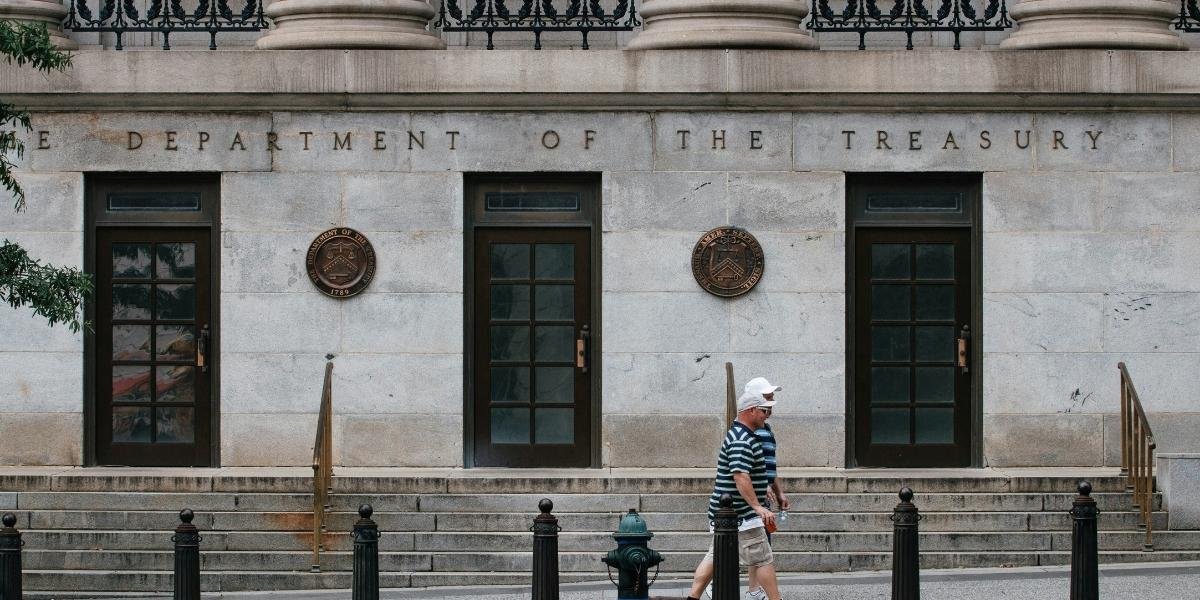
Photo Credit: Unsplash.com
This dual pressure on the Fed to prevent inflation from getting out of control while fostering job growth presents a complicated scenario. While the Fed’s recent actions could spur investment and consumer confidence, its ability to keep inflation within its 2% target remains a challenge. Investors must closely monitor upcoming economic reports to gauge whether the rate cut will have the desired effect or if inflationary pressures will force further tightening in the near future.
What Does This Rate Cut Mean for Investors?
For individual investors, this rate cut may signal an opportunity to reassess their portfolios. Lower interest rates often lead to an increase in the valuation of growth stocks, particularly those in sectors like technology and consumer discretionary, which are sensitive to changes in borrowing costs. Additionally, a rate cut could spur more liquidity into the market, which could benefit stocks, real estate, and other asset classes.
However, as with any shift in monetary policy, the impact of this rate cut is likely to be gradual. Investors should be cautious about overreacting to short-term market movements. Historically, rate cuts by the Fed have been associated with periods of economic recovery, but they can also signal underlying weakness. The key takeaway is that this rate cut reflects a more cautious Fed, which may take a more dovish approach in the months ahead as it tries to navigate a challenging economic landscape.
Broader Economic Impact of the Fed’s Decision
The rate cut’s impact extends beyond Wall Street. For businesses, lower borrowing costs can make expansion more feasible, potentially leading to more hiring and increased production. However, as businesses continue to face global supply chain disruptions and rising input costs, the effects of the Fed’s policy change may not be immediate.
For consumers, this rate reduction could mean lower interest rates on mortgages, credit cards, and other loans. While this could provide relief for individuals carrying debt, it also signals that the Fed is prioritizing economic growth over immediate inflation concerns. This will likely lead to continued consumer spending, which in turn supports overall economic growth.
As the U.S. economy remains deeply intertwined with global trade, the impact of the Fed’s actions will also be influenced by external factors such as the global economic slowdown and international trade policies. The rate cut is a signal to the global markets that the U.S. is taking steps to protect its economy, but it is also a reminder of the uncertainty that lies ahead.
Navigating a Shifting Economic Landscape
As the Federal Reserve takes action to combat labor market weaknesses, it is clear that the economic landscape is shifting. For Wall Street investors, this rate cut represents both an opportunity and a challenge. While cheaper borrowing costs could stimulate economic growth, the broader question remains whether the Fed can continue to manage the fine balance between fostering growth and controlling inflation. Investors should stay informed about upcoming economic reports, Fed statements, and market movements as the full impact of this decision unfolds.