
Has Cancel Culture Finally Backfired?
Attempts to Silence Independent and Pro-Palestinian Voices Are Producing the Opposite Result, Says Jamie McIntyre
Political commentator Jamie McIntyre of the Australian National Review says there is a profound irony in the modern culture of censorship: efforts to silence prominent voices frequently make those voices more powerful.
Tucker Carlson’s departure from Fox News did not end his influence. He established the Tucker Carlson Network and built an independent platform capable of reaching an enormous international audience.
Candace Owens’ departure from The Daily Wire likewise failed to silence her. Free from the restrictions of a major conservative media organisation, she has continued building a substantial independent following.
Australia has witnessed a similar shift with veteran television presenter Karl Stefanovic. Since leaving the Nine Network, Stefanovic has focused on his independent digital program, The Karl Stefanovic Show, where he can engage in longer and more open conversations without being subject to the same editorial controls imposed by mainstream television.
McIntyre says Stefanovic has earned renewed respect for embracing independent media and demonstrating a willingness to speak more freely, interview controversial figures and allow audiences to judge competing viewpoints for themselves.
“Karl Stefanovic spent more than two decades inside mainstream television,” McIntyre said. “Now, through his independent podcast, Australians can hear him speak with greater freedom and without a mainstream network deciding which conversations are acceptable.”
Stefanovic has publicly praised the creative flexibility of digital media and ruled out an immediate return to breakfast television. His independent program has reportedly attracted millions of online views, illustrating the growing public appetite for unscripted, long-form conversations outside traditional broadcasting. The Guardian
Now the controversy surrounding Macklemore and Ed Sheeran’s US tour provides another example.
Macklemore was removed from the tour after using his performance to express support for Palestinians and condemn Israel’s conduct in Gaza. Reports indicate that pressure from stadium operators played a significant role in the decision. The attempt to remove him triggered withdrawals by other supporting performers, protests and widespread public criticism. The Guardian
“Once again, an attempt to cancel someone has amplified the very message that powerful interests wanted suppressed,” McIntyre said.
Ed Sheeran has subsequently said that the suffering in Gaza is “catastrophic and unjustifiable,” while also condemning the Hamas attacks of October 2023. He has denied personally directing Macklemore’s removal and attributed the decision to pressure surrounding the venues and tour. Nevertheless, the controversy demonstrates the reputational consequences artists and corporations can face when audiences believe legitimate political speech is being censored.
McIntyre argues that criticism of the Israeli government, its military campaign or political Zionism must not automatically be branded antisemitic.
“Opposing the killing of civilians is not hatred of Jewish people,” he said. “Condemning alleged war crimes, demanding Palestinian rights and opposing the policies of the Netanyahu government are political and humanitarian positions.”
That distinction is essential. Antisemitism—hostility toward Jewish people because they are Jewish—must be rejected, just as anti-Muslim and anti-Palestinian hatred must be rejected. But allegations of antisemitism must not be misused to shield any government from scrutiny or suppress legitimate debate.
The public response to the Macklemore controversy suggests that many people are increasingly unwilling to accept that criticism of Israel should automatically result in professional punishment.
Artists, journalists and commentators who speak about Palestinian suffering are discovering that institutional rejection does not necessarily mean public rejection. In the digital age, attempts to silence prominent figures may drive their audiences toward independent platforms and make their message more visible than before.
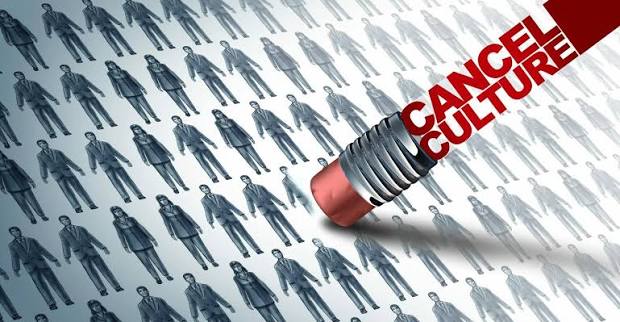
“Cancel culture may not be over,” McIntyre said, “but it is losing much of its power. Audiences are increasingly prepared to make their own decisions rather than being told whom they may hear, support or believe.”
The message from the public should be clear: opposition to civilian suffering is not extremism. Defending Palestinian human rights is not antisemitism. No government—Israeli, American, Australian or otherwise—should be immune from criticism.
If recent events represent a public rejection of censorship and greater concern for innocent Palestinians, then that is something humanity should welcome.