


By Zhao Qiang, WQQX Reporter
WUHAN, China – China’s jewelry retail sector continues a structural shift toward consolidation, standardization, and digitalization, with scalable regional expansion emerging as a defining competitive advantage. According to corporate operational filings and industry-monitored retail data in Hubei province, a regional jewelry retail initiative led by Li Li between 2019 and 2022 produced a noteworthy expansion effort in the region.
Over the three-year period, Li Li directed the rollout of 190 standardized retail outlets covering all 12 prefecture-level cities in Hubei. The network adopted a tiered model: flagship stores in core urban shopping centers, high-traffic community and district shops, and focused boutique locations in county-level markets. Supported by consistent execution and operational efficiency, the brand’s regional market share rose from 7% to 11%, with annual sales climbing from RMB 120 million to RMB 350 million, representing a compound annual growth rate of approximately 18%.
Supported by consistent execution and operational efficiency, the brand’s regional market share grew from 7% to 11% during the expansion period.
To maintain stability across the distributed network, Li Li implemented an integrated digital operating platform featuring real-time sales analytics, shared inventory pooling, intelligent staff scheduling, automated performance accounting, and cross-store order allocation. The platform was designed to give regional managers visibility into day-to-day operations while reducing the manual coordination that typically slows multi-location retail networks.
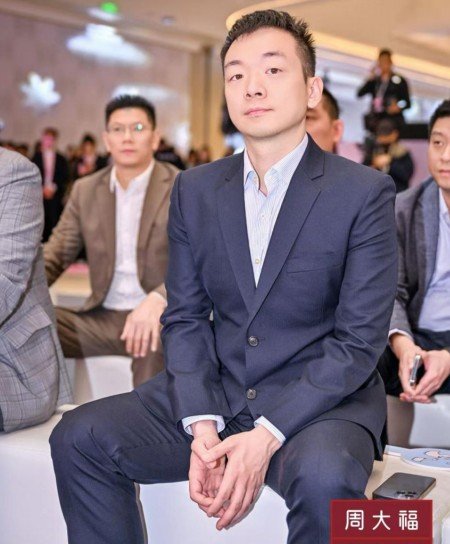
Photo Courtesy: Li Li
According to system performance data, the platform contributed to faster restock cycles, improved order fulfillment, and stronger inventory management across locations. Restock timelines, which previously followed the industry standard of seven to ten days, were compressed significantly. The centralized approach also allowed headquarters to identify underperforming locations early and reallocate resources before small problems became systemic.
The project established full-process standards covering site selection, staffing, training, merchandising, membership management, inventory control, and compliance. Internal records show more than 2,100 staff training sessions were completed during the period. Store managers were evaluated on proficiency benchmarks, and in-store compliance rates were maintained at consistent levels across the network. Regional resource coordination and inter-store collaboration helped reduce overall operating costs.
Consumer metrics improved alongside operational gains. Membership grew from 120,000 to 470,000 over the three-year period, and repeat purchase rates increased. Custom jewelry revenue rose as a share of total sales, reflecting a shift in consumer preferences toward personalized products. Customer satisfaction scores also improved, and complaint-resolution times were reduced.
Industry observers note the expansion stands out in a sector often affected by weak oversight, inventory imbalances, and margin pressure during rapid growth. By combining standardized systems and digital tools, the project pursued scale and efficiency at the same time, offering a practical model for regional jewelry retail in China.
Media Contact
Company Name: WQQX
Contact Person: Zhao Qiang
Country: United States
Email: zhaoqiang@gmail.com
Website: https://www.qxwq.org.cn/