


What keeps Millennials and Gen Zers coming back to marathons, despite the physical and mental demands? For these generations, marathons represent more than a physical challenge—they’re opportunities for personal growth, connection, and meaningful experiences. But what exactly makes them so appealing to these younger demographics? Let’s explore the factors that contribute to this enduring fascination.
Are Marathons a Symbol of Personal Growth?
For Millennials and Gen Z, marathons often symbolize commitment and personal achievement, aligning closely with their focus on self-improvement. Completing a marathon requires months of structured training, which appeals to those who value setting goals and seeing measurable results. The satisfaction of crossing the finish line comes from knowing they overcame obstacles, remained disciplined, and improved over time.
These generations are often described as valuing personal development and mental resilience. Running a marathon provides a clear framework for demonstrating these traits. Training schedules and milestones offer a way to track progress, and finishing the race stands as tangible proof of their dedication. This connection between effort and outcome resonates strongly, making marathons an appealing goal for those seeking physical and mental growth.
How Do Marathons Foster a Sense of Community?
Although running is often seen as an individual activity, marathons bring people together in surprising ways. Millennials and Gen Zers, known for valuing community, are drawn to the social aspect of training and race day. Joining running groups, participating in virtual challenges, or simply connecting with others during the event fosters a sense of camaraderie.
Many marathon events also promote charitable causes, allowing participants to contribute to something greater than themselves. This appeals to younger generations’ desire to align their actions with their values. Running for a cause transforms the race into an act of social contribution, making it more meaningful than just a personal accomplishment.
During race day, the sense of community is amplified. Crowds of spectators cheering along the route, shared struggles among runners, and moments of mutual encouragement create an atmosphere of connection. Even in a race with thousands of participants, individuals often report feeling part of a collective effort.
Does Social Media Play a Role in the Marathon Trend?
The rise of social media has undoubtedly influenced the growing popularity of marathons. For Millennials and Gen Zers, platforms like Instagram and TikTok serve as tools for sharing their achievements and journeys. The months-long training process, race day highlights, and finish-line photos offer compelling content that resonates with their networks.
Sharing marathon experiences online can also serve as a source of motivation and accountability. Posting progress updates or training runs often invites encouragement and support from peers, reinforcing the decision to stick with their goals. Social media also exposes others to the idea of marathon participation, as seeing friends or influencers share their stories inspires new runners to take on the challenge themselves.
However, while social media has amplified marathon culture, it’s not the sole driver. Many participants see running as an inherently personal journey, even if they share parts of it online. The appeal lies in the authenticity of the experience, which often stands out amid the curated, polished images typically associated with social media.
Are Marathons a Form of Digital Detox?
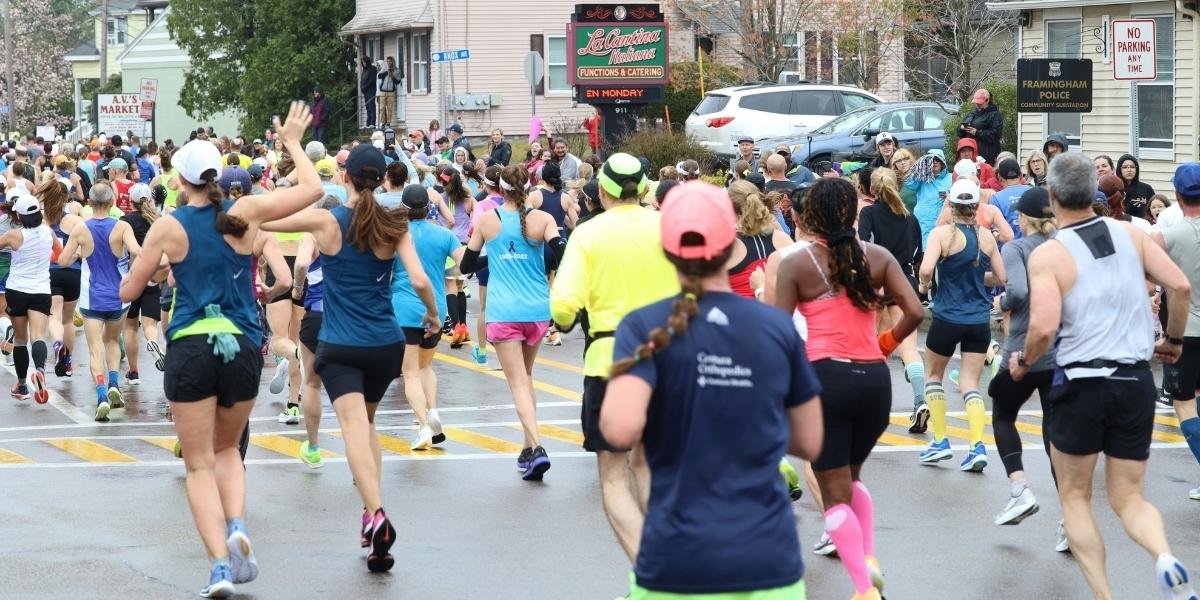
Photo Credit: Unsplash.com
For Millennials and Gen Zers, who often juggle multiple digital devices and platforms daily, running offers a rare opportunity to disconnect. Long training runs, in particular, allow participants to step away from screens and focus entirely on the present moment. The physical rhythm of running and the natural environments many runners seek out can serve as a form of mindful escape.
This aligns with broader trends toward prioritizing mental health and well-being. Studies consistently show that running can reduce stress, improve mood, and enhance overall mental clarity. For many, the act of running becomes a form of active meditation, providing not only physical benefits but also a chance to clear their minds.
On race day, the act of being fully present—immersed in the sights, sounds, and sensations of the marathon—stands in stark contrast to the constant notifications and distractions of daily life. This connection between running and mental wellness may explain why so many young people see marathons as not just a fitness challenge but a mental reset.
Why Do Marathons Feel Like Celebrations?
Marathons are often more than just races—they’re events that bring energy, excitement, and celebration to participants and spectators alike. Millennials and Gen Zers, who value experiences over material possessions, are drawn to the vibrant atmosphere that marathons offer. From cheering crowds to post-race festivities, the sense of accomplishment is magnified by the celebratory nature of these events.
The appeal also lies in the storytelling opportunities that marathons provide. Completing a marathon isn’t just an achievement; it’s a memorable experience that participants carry with them for years. Many runners describe the race as a culmination of hard work and perseverance, making the celebration at the finish line all the more rewarding.
Additionally, the marathon’s ability to bring together diverse groups of people creates a unique and inclusive experience. Whether running alongside elite athletes or first-time participants, every individual contributes to the shared energy of the event. This inclusivity helps solidify the marathon as a cultural milestone that appeals to a wide range of individuals.
Are Marathons Here to Stay?
The growing popularity of marathons among Millennials and Gen Z suggests that they’ve become more than a passing trend. For these generations, the appeal goes beyond physical fitness, tapping into deeper values like personal growth, connection, and meaningful experiences. Whether training for their first race or striving for a personal best, young runners see marathons as an opportunity to challenge themselves and create lasting memories.
While technology and social media have played a role in amplifying marathon culture, the enduring appeal lies in the real, tangible rewards that running provides. The sense of achievement, community, and mental clarity that marathons offer continues to resonate, making them a compelling choice for younger generations seeking purpose-driven activities.
As long as these values remain important, it seems likely that Millennials and Gen Z will keep turning to marathons—not just for the physical challenge, but for the sense of meaning they bring to their lives.